
You reach for your phone the moment you wake up. Before your feet hit the floor, before you even fully open your eyes, your hand is already searching for that familiar glass rectangle.
Sound familiar?
You're not alone. According to research from a 2025 study by the University of California, the average person checks their phone 96 times per day—that's once every 10 minutes during waking hours. In India, where smartphone penetration reached 750 million users in 2026, this number jumps even higher among students and young professionals. But when does normal phone use cross the line into addiction?
In this guide, we'll explore the 12 scientifically-backed warning signs of phone addiction and, more importantly, proven strategies to break free.
📋 What You'll Learn
- • The 12 warning signs of phone addiction
- • How phone addiction affects your brain
- • The psychology behind why you can't put it down
- • 7 proven strategies to break free
- • Tools and apps that actually work
What Is Phone Addiction?
Phone addiction, also called "nomophobia" (no-mobile-phone phobia), is a behavioral addiction characterized by compulsive smartphone use that interferes with daily life, relationships, and productivity.
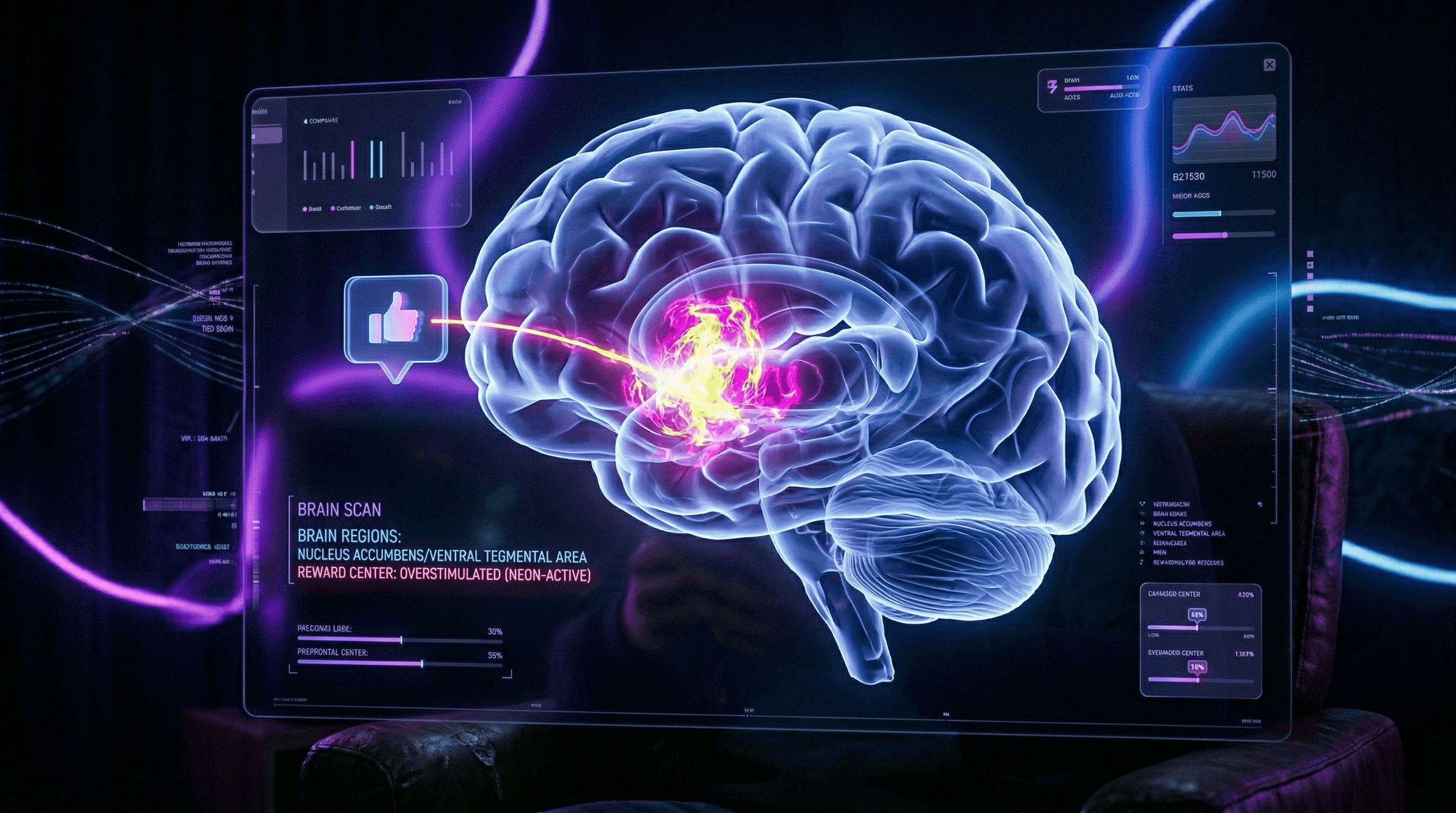
Unlike substance addictions, phone addiction is a process addiction—you're not addicted to the device itself, but to the dopamine-triggering activities it provides: social media, notifications, games, and endless scrolling. If you find yourself mindlessly scrolling through Instagram Reels or YouTube Shorts for hours, you might want to learn more about dopamine detox techniques to reset your brain's reward system.
The 12 Warning Signs You're Addicted to Your Phone
If you recognize 3 or more of these signs in your daily behavior, you may have developed a problematic relationship with your smartphone.
1. First Thing in the Morning, Last Thing at Night
Your phone is the first thing you check when you wake up and the last thing you look at before bed. You feel anxious if you can't check it immediately after waking.
Why this matters: This habit floods your brain with cortisol (stress hormone) first thing in the morning and disrupts your natural sleep cycle at night by suppressing melatonin production.
2. Phantom Vibrations
You constantly feel your phone vibrating in your pocket—even when it's not there, or when notifications are off. This phenomenon affects 89% of smartphone users according to a 2024 study.
Why this happens: Your brain has been conditioned to expect notifications so strongly that it hallucinates the sensation. It's a classic sign of neurological dependency.
3. Panic When Battery Is Low
When your battery drops below 20%, you experience genuine anxiety or panic. You'll interrupt important activities just to find a charger.
"Low battery anxiety is your brain's way of telling you it's dependent on constant digital stimulation."
4. Can't Focus for 10 Minutes Without Checking
You find it nearly impossible to focus on a single task—reading, work, conversation—for more than 5-10 minutes without the urge to check your phone. This is especially common among developers and programmers who need deep focus to code effectively.
How to Stay Focused While Coding
Learn 10 proven strategies developers use to enter flow state and maintain concentration during programming sessions.
Read more →This is the most damaging sign for productivity. Studies show it takes an average of 23 minutes to fully regain focus after a phone distraction.
💡 Pro tip: Endless automatically blocks distracting apps during your focus sessions—no willpower required.
Try Endless Free5. Using Phone While Doing Other Activities
You scroll through social media while:
- Watching TV or movies
- Having conversations with friends or family
- Eating meals
- Walking (even crossing streets)
- In the bathroom
This behavior is called "media multitasking" and research shows it actually reduces your brain's gray matter density in regions responsible for cognitive control.
6. Checking Phone During Social Situations
You check your phone during conversations, dates, or family time—even when you know it's rude. You might hide the behavior but feel compelled to do it anyway.
7. Losing Track of Time While Scrolling
You intend to check your phone "just for a minute" and suddenly realize 45 minutes have passed. This happens multiple times per day.
Why this happens: Infinite scroll and algorithmic feeds are specifically designed to create "time distortion" by providing variable rewards (dopamine hits) on unpredictable schedules—the same mechanism used in slot machines.
8. Physical Symptoms of Overuse
You experience physical problems from phone overuse:
- Text neck: Chronic neck and shoulder pain from looking down
- Eye strain: Dry eyes, blurred vision, headaches
- Thumb pain: Repetitive strain injury from constant scrolling
- Insomnia: Difficulty falling asleep or poor sleep quality
9. Declining Real-Life Performance
Your phone use is negatively impacting:
- Work productivity and quality
- Academic performance
- Personal relationships
- Physical health and exercise habits
- Mental health and mood
If important areas of your life are suffering because of phone use, that's the clearest sign of addiction.
10. Failed Attempts to Cut Back
You've tried to reduce phone use multiple times but always relapse. You might delete apps only to reinstall them days later, or set screen time limits you immediately ignore.
This is the hallmark of addiction: Continued use despite awareness of harm and failed attempts to stop.
11. Fear of Missing Out (FOMO)
You feel anxious about missing messages, updates, or social media activity. You check your phone constantly "just in case something important happened."
Studies show 56% of social media users experience FOMO, which drives compulsive checking behavior.
12. Using Phone as Emotional Escape
You reach for your phone whenever you feel:
- Bored or understimulated
- Anxious or stressed
- Lonely or disconnected
- Sad or depressed
- Awkward in social situations
This is called "emotional avoidance"—using your phone as a coping mechanism for uncomfortable feelings rather than dealing with them directly.
How Phone Addiction Rewires Your Brain
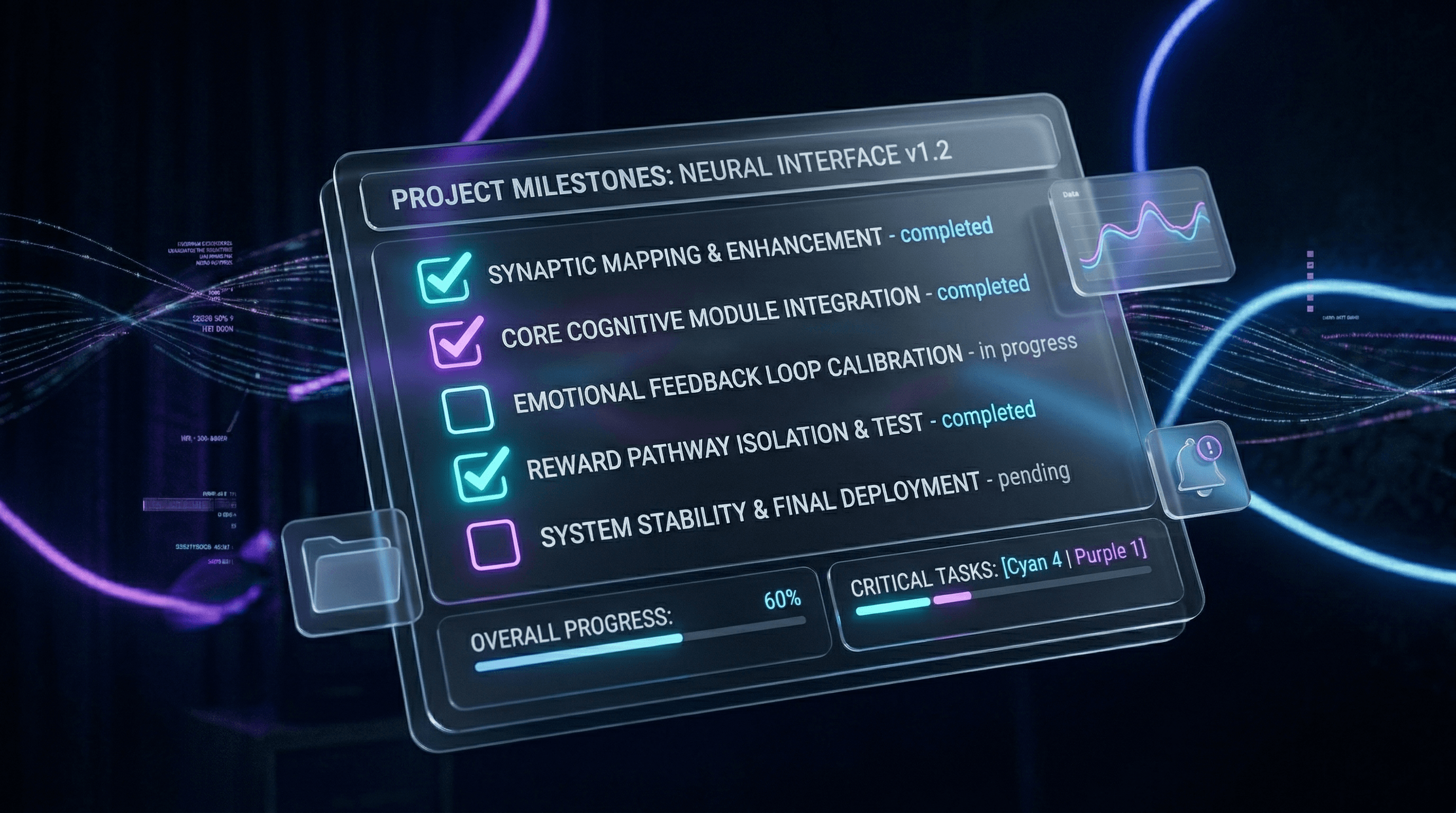
Understanding the neuroscience helps you realize this isn't about "willpower"—your brain has been physically changed by smartphone use.
The Dopamine Loop
Every notification, like, comment, or new message triggers a release of dopamine—the same neurotransmitter involved in substance addictions. Over time, your brain:
- Develops tolerance: You need more stimulation to feel the same satisfaction
- Creates cravings: Your brain anticipates the reward and drives compulsive checking
- Loses baseline dopamine: Normal activities feel boring compared to your phone
Attention Span Degradation
According to research from Microsoft's 2023 attention study, heavy smartphone users have measurably shorter attention spans. The study found the average human attention span has dropped from 12 seconds in 2000 to just 8 seconds today—less than a goldfish. For Indian developers working in competitive tech hubs like Bengaluru and Hyderabad, this attention fragmentation directly impacts code quality and productivity.
Prefrontal Cortex Weakness
The prefrontal cortex (responsible for self-control, decision-making, and focus) shows reduced activity in people with behavioral addictions. This makes it even harder to resist phone use—creating a vicious cycle.
Break the Dopamine Loop
Endless helps you rebuild focus by blocking distracting apps during deep work. Give your brain the break it needs to reset.
Download for iPhone7 Proven Strategies to Fix Phone Addiction
Now that you understand the problem, here's how to fix it. These strategies are backed by behavioral psychology research and have helped thousands break free.
Strategy 1: Track Your Baseline
You can't improve what you don't measure. Use Screen Time (iPhone) or Digital Wellbeing (Android) to see your actual usage for 7 days. Don't change anything yet—just observe.
What to look for: Total screen time, pickups per day, which apps consume most time, and when you use your phone most.
Strategy 2: Remove Triggers
Make phone use less convenient:
- Turn off all non-essential notifications (keep only calls/texts from favorites)
- Remove social media from home screen (or delete apps entirely)
- Use grayscale mode to make your phone less visually appealing
- Keep phone in another room while working or sleeping
Strategy 3: Replace the Habit
Phone checking is often triggered by specific cues (boredom, waiting, anxiety). Create a replacement habit for each trigger:
- Bored? Keep a book or notebook handy
- Anxious? Practice 4-7-8 breathing (4 count inhale, 7 hold, 8 exhale)
- Waiting? Observe your surroundings or strike up a conversation
Strategy 4: Time Blocking
Don't try to quit cold turkey. Instead, designate specific "phone-free blocks". Many Indian students preparing for competitive exams like JEE or NEET use this technique to protect their study sessions:
- Morning routine: No phone for first 60 minutes after waking
- Deep work: 90-minute focus blocks with phone in another room
- Meals: Phone stays off the table during eating
- Evening wind-down: No screens 60 minutes before bed
Strategy 5: Use App Blockers (The Smart Way)
App blockers work by removing the decision entirely during focus time. This is more effective than relying on willpower.
Best practices:
- Block apps during specific times (work hours, mornings, evenings)
- Make bypass difficult (require long delays or accountability)
- Start with 2-hour blocks and gradually increase
Strategy 6: Build Competing Habits
Replace phone time with activities that provide real satisfaction:
- Morning: Meditation, exercise, or journaling
- Commute: Audiobooks or podcasts (one-way consumption, not social media)
- Evening: Reading, hobbies, or face-to-face conversation
Strategy 7: Social Accountability
Tell friends/family about your goal. Better yet, do it together. Research shows social accountability increases success rates by 65%.
Consider a "phone stack" with friends at meals—everyone stacks phones face-down in the center. First person to check picks up the bill.

What to Expect When You Reduce Phone Use
Breaking phone addiction isn't easy, but the benefits are worth it. Here's what people typically experience:
Week 1: Withdrawal
- Anxiety and restlessness
- Strong urges to check phone
- Boredom (as your brain adjusts to lower dopamine)
- Feeling "disconnected"
Week 2-3: Adjustment
- Urges become less intense
- Improved ability to focus for longer periods
- Better sleep quality
- More present in conversations
Week 4+: Transformation
- Significantly improved focus and productivity
- Deeper relationships and social connections
- More time for meaningful activities
- Reduced anxiety and improved mood
- Phone becomes a tool, not a compulsion
Tools That Actually Work
While willpower alone rarely works, the right tools can make a massive difference:
App Blockers
- Endless (iPhone) - Clean design, powerful blocking, focus tracking. Perfect for students and developers who need to eliminate distractions during deep work.
- Freedom (iOS/Android) - Cross-device blocking including desktop
- Opal (iPhone) - Gamified focus with screen time goals
Best Apps to Reduce Screen Time in 2026
We tested 25+ screen time apps and ranked the top 10 that actually work. Detailed comparisons and recommendations.
Read more →Alternative Devices
- Light Phone - Minimalist phone for calls/texts only
- Apple Watch - Handle essentials without pulling out phone
Accountability Apps
- Forest - Grow virtual trees during focus time
- Beeminder - Financial commitment to screen time goals
Ready to Take Back Control?
Join thousands who've broken phone addiction with Endless. Block distractions, track your progress, and defend your focus—starting today.
Get Endless FreeAvailable on iPhone • No credit card required
❓ Frequently Asked Questions
Q: What is phone addiction?
Q: How many times does the average person check their phone per day?
Q: Can phone addiction be as serious as drug addiction?
Q: How do I know if I'm addicted to my phone?
Q: What is the fastest way to break phone addiction?
Q: Do phone addiction apps actually work?
Q: How long does it take to break phone addiction?
Final Thoughts
Recognizing phone addiction is the first step. If you identified with multiple warning signs in this article, you're not weak or undisciplined—you're up against the most sophisticated behavior modification technology ever created.
Every major tech company has teams of PhDs working to keep you scrolling. Breaking free isn't about willpower—it's about using smarter strategies, better tools, and creating an environment that supports focus. If you're serious about reclaiming your attention, consider exploring a comprehensive dopamine detox protocol.
Start with one strategy from this article today. Track your baseline, remove one trigger, or try a phone-free morning. Small changes compound into life-changing results.
Your attention is your most valuable resource. It's time to defend it.
🎯 Key Takeaways
- ✅ Phone addiction is a real behavioral addiction affecting millions
- ✅ 3+ warning signs indicate a problematic relationship with your device
- ✅ Phone use physically changes your brain's dopamine system
- ✅ Breaking addiction requires systems and tools, not just willpower
- ✅ Most people see significant improvements within 2-3 weeks
- ✅ App blockers work better than built-in screen time controls